Environment
-
7 extreme weather events in Michigan caught on tape
Ready to do some virtual storm-chasing? Check out these seven extreme Michigan weather events caught on tape.
-
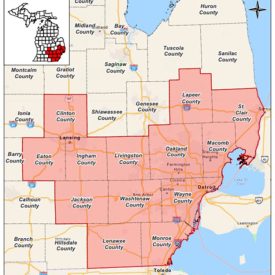
How Michigan is trying to stop the box tree moth
Boxwood shrubs are popular in Michigan and have thrived in the US Until 2021, when the box tree moth was discovered in New York, prompting a quarantine issued by the state Department of Agriculture and Rural Development on the movement of infested boxwood shrub plants to prevent harm to other plants.
-
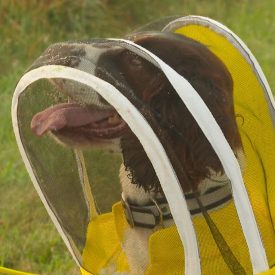
Former K-9 Maple is busy as a bee sniffing out threats to Michigan State University colonies
Researchers at a Michigan State University facility dedicated to protecting honey bees are enlisting a four-legged ally to sniff out danger to the prized pollinators.
-
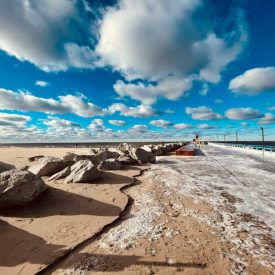
Years after high water crisis, lax policies leave Michigan coast vulnerable
For the first decade, the erosion caused by waves wearing away at beaches and dunes in annual cycles was manageable. Then the water started rising.
-
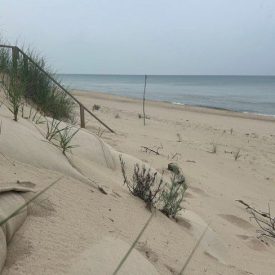
This is your sign to head to Michigan beaches & hear the singing sand
Several Michigan beaches are home to “singing sand,” and while several legends attribute the noise to ghostly causes, there’s a perfectly logical explanation.
-
Wildlife change – and don’t change – on tiny Lake Huron island, scientists say
In nature, a lot can change on a largely uninhabited Great Lakes island over the course of a century. And a lot can stay the same.
-
Planting native flowers this summer could bring hummingbirds to your yard
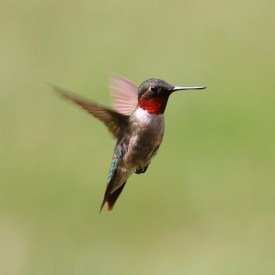
Hummingbirds are back in Michigan for the summer, and planting native flowers could attract them to your backyard.
-
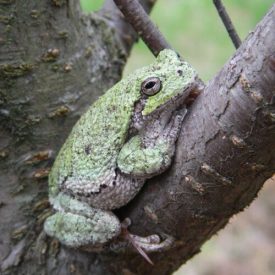
Lost salamanders, forgotten wetlands and the fight for restoration
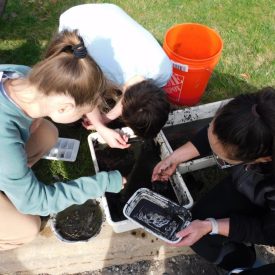
Yet, there is an unofficial goal: Find the elusive salamanders. Spotting one would be the crown jewel among any other observations.
-
Michigan’s fight against Lake Erie pollution didn’t work. What happens next?
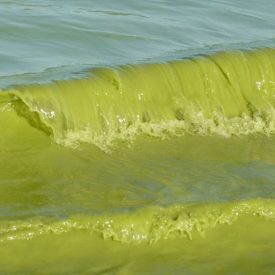
Michigan and its neighbors have missed a 2025 deadline to curb the farm pollution that feeds toxic algal blooms in western Lake Erie, despite 10 years of work and millions of dollars spent on the effort.
-
Scientists seek sources of fecal pollution that can contaminate rivers, close beaches
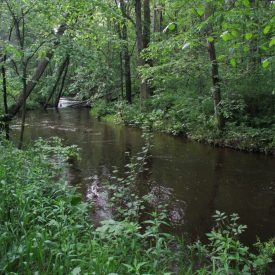
Water quality experts are using DNA tools to track down contamination responsible for beach closures and reduced recreational opportunities along the Great Lakes and other Michigan inland lakes and streams.