Whether you’re in the forest or at your neighborhood park, there’s a chance you’ll be able to spot one of these birds of prey.
Amid leafless trees and snow-covered surroundings, Michigan’s owls are often easier to spot and hear during the winter.
Whether you’re a casual bird watcher or part of the annual Bird Count, here’s how you can tell the difference between each owl that spends their winters in Michigan.
RELATED: Birdwatching in winter? Yes! Here are 10 favorite places in Michigan
Northern Saw-whet Owl
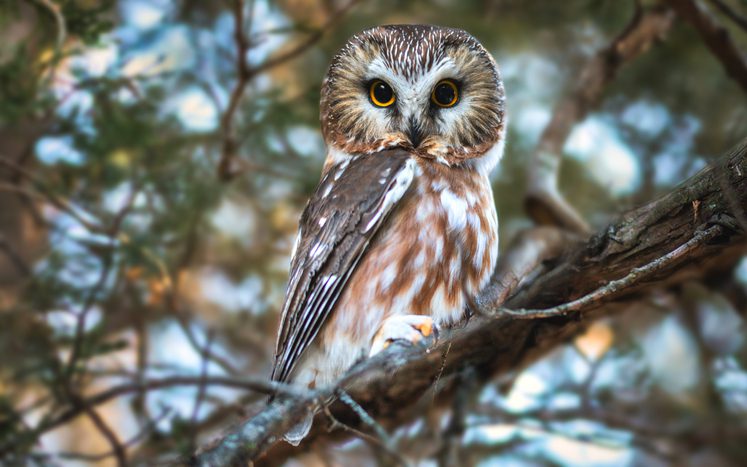
Standing at just seven inches tall, the Northern Saw-whet Owl can be found within the forests of Northern Michigan. Their brown, broad feathers enable them to easily camouflage with their surroundings.
While they’re usually silent, the male Northern Saw-whet Owl is known for the “tooting” noises they make during mating season—typically late winter to early spring.
Snowy Owl
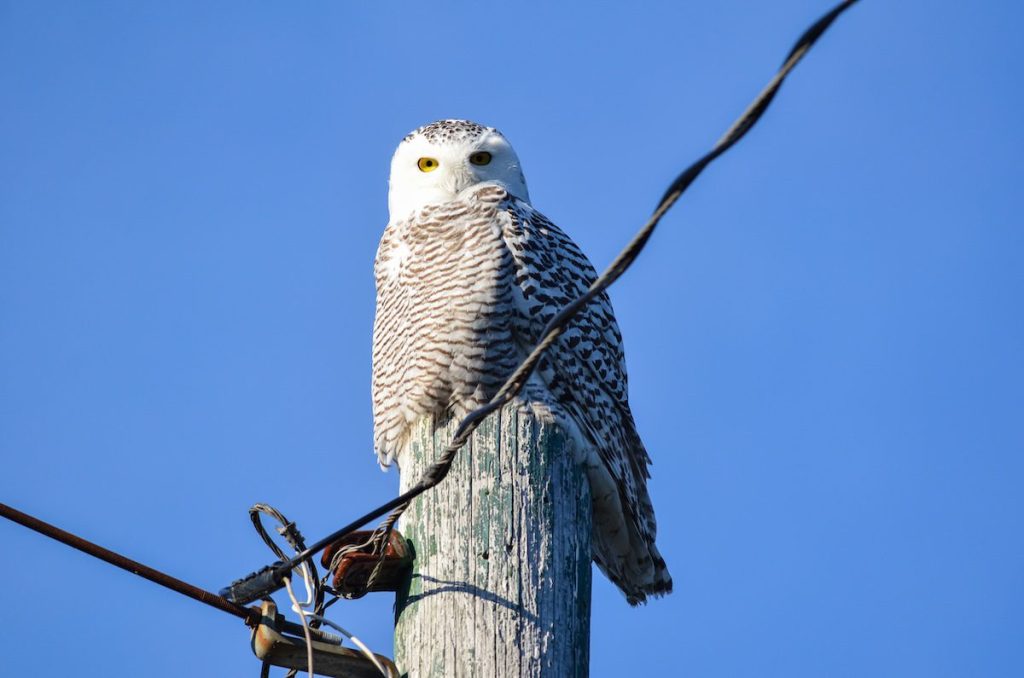
Often found near Canada’s southern border, the Snowy Owl is known for its snow-white coat and piercing yellow eyes. They can be seen flying above wide-open spaces, looking for lemmings—a type of small rodent—to feed on.
The Snowy Owl is typically silent, but will make shrill whistling sounds while on breeding grounds to communicate with potential mates.
Great Horned Owl
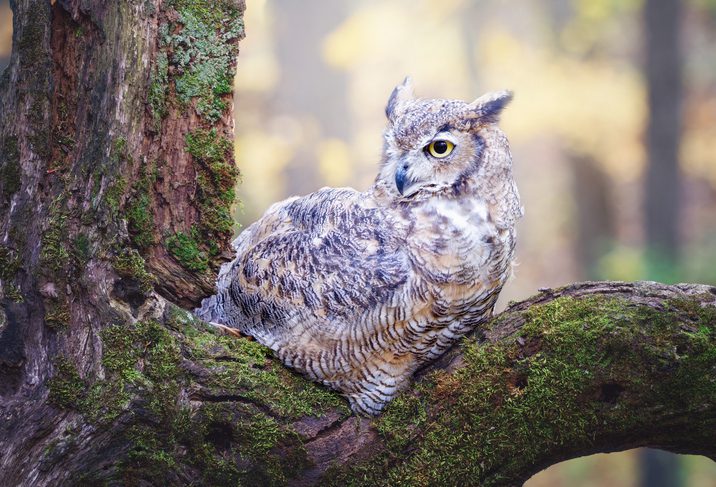
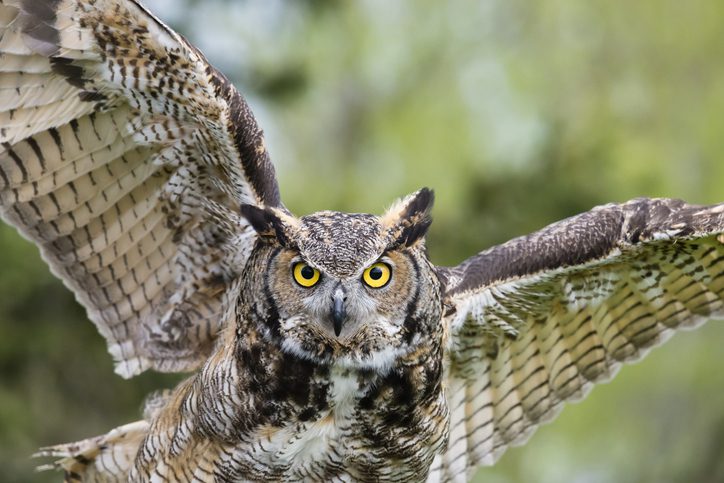
While their “ear” tufts make them look cute, the Great Horned Owl is an aggressive and powerful hunter—preying on rabbits, hawks, snakes, skunks, and even porcupines.
At just over two feet tall, the massive Great Horned Owl can be found year-round in habitats across North America, from dense forests to cities. Their songs and calls can range from low, sonar-sounding “hoo hoots” to rough barking noises to alert others of nearby danger.
Eastern Screech Owl
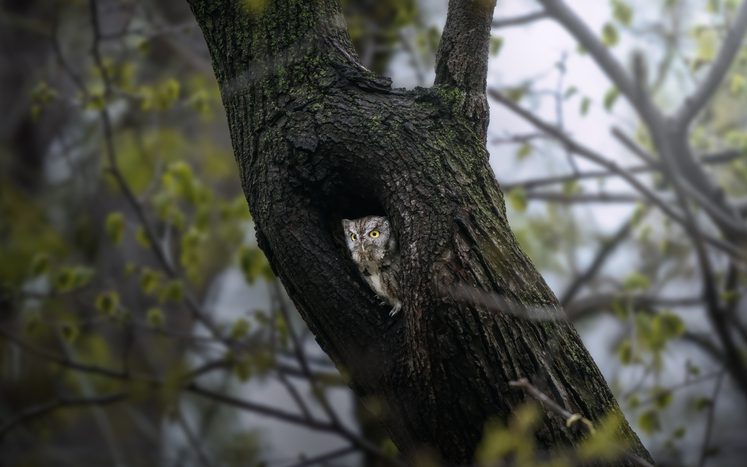
Michiganders living in the lower peninsula might not know it, but the Eastern Screech Owl could be one of their neighbors. The robin-sized nightbird can be found living in trees in city parks and shady suburbs.
Despite their name, these owls don’t screech—they sound off with a signature whine and soft trills.
To learn more about Michigan’s other winter birds, check out the MI Birds program. .