Ask Dr. Litinas is a column that publishes twice monthly as part of The MichiGanja Report—our free, weekly newsletter about all things marijuana. Click here to sign up.
MICHIGAN—Cannabis has become part of everyday life for many Michiganders.
Patients and consumers across the state now have access to a range of products, from tinctures and capsules to edibles and concentrates. For medically complex or vulnerable individuals, access can open the door to meaningful symptom relief and improved quality of life.
But accessibility also brings responsibility.
Cannabis is not a wellness trend or a harmless supplement. It is a biologically active medicinal plant that can profoundly influence the body. For patients—including older adults, individuals with chronic illness, patients in hospice, and those taking multiple medications—cannabis may be helpful, but it must always be approached with care, intention, and clinical awareness.
Who are vulnerable patient populations?
Vulnerable does not mean weak. It simply means that certain people may be more sensitive to the therapeutic effects and potential risks of cannabis due to their medical status.
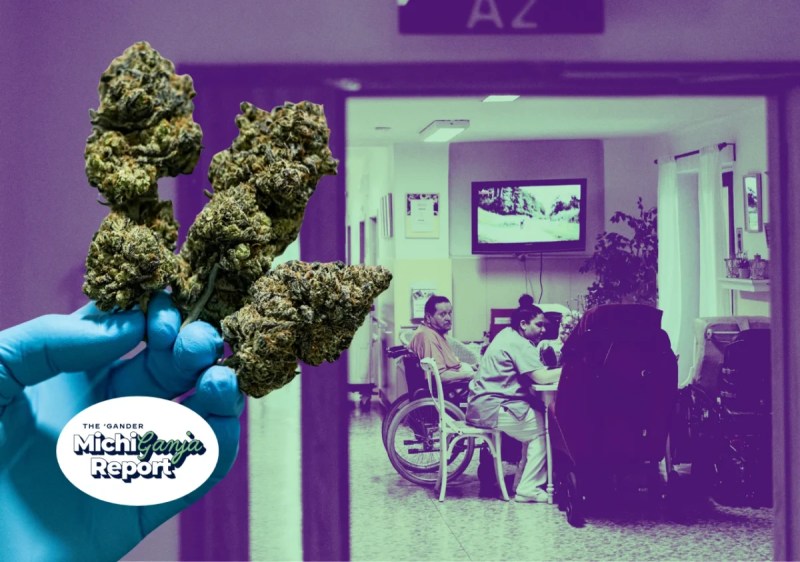
In Michigan’s patient and consumer population, this may include: older adults exploring cannabis for pain or sleep; patients living with chronic conditions; individuals taking multiple prescription medications; people with cardiovascular disease; patients managing psychiatric conditions; individuals with advanced or life-limiting illness; and pregnant women.
Michigan’s regulated market offers an enormous range of product strengths, which can be overwhelming—and sometimes risky—for individuals who respond strongly to cannabinoids.
When can cannabis be used as a therapeutic tool?
When used thoughtfully and cautiously, cannabis can be an effective adjunct therapy for many symptoms commonly experienced by medically fragile or chronically ill individuals. Potential areas of support include: chronic pain management; insomnia and disrupted sleep; anxiety and emotional distress; appetite stimulation; and improvements in comfort and daily functioning.
For some Michigan patients, cannabis may help reduce reliance on other medications or improve tolerance of existing treatments. However, it should rarely be viewed as a standalone cure. Rather, it works best as part of a comprehensive, individualized care plan.
In medically complex patients, cannabis is most effective when integrated thoughtfully into an existing treatment strategy with the help of a healthcare provider. Abruptly replacing prescribed therapies without clinical oversight can create instability and unintended consequences.
Does cannabis come with any potential side effects?
Because cannabis interacts with multiple physiological systems, side effects are real and sometimes serious—particularly in biologically sensitive or medically complex individuals.
Common side effects include, but are not limited to: drowsiness and fatigue; dizziness and imbalance; cognitive slowing; dry mouth; anxiety or panic; and nausea.
More concerning risks may include: cardiac rhythm disturbances (arrhythmias); blood pressure changes; significant drug–drug interactions; psychiatric reactions in susceptible individuals; falls and injuries in older adults; and airway irritation from smoking or vaping.
Contraindications must be taken seriously.
These may include, but are not limited to: pregnancy and breastfeeding; patients with certain cardiovascular conditions; individuals with a history of psychosis or severe psychiatric instability; and patients taking medications with high interaction potential.
A physician’s perspective
Cannabis is often perceived as “natural,” which leads some patients to assume it is automatically safe. In reality, cannabinoids influence liver enzymes, neurotransmitters, and cardiovascular function. Clinically, I always encourage patients to talk to their doctor and approach cannabis with the same respect they would give any prescription medication.
For vulnerable patients, careful titration is essential. Because individuals who are older, medically complex, or physically fragile may respond strongly to cannabinoids, a slow and structured approach minimizes risk. Practical guidance includes: Begin with low THC concentrations; introduce one product at a time; increase doses gradually; and monitor for side effects or functional changes. Avoid combining cannabis with alcohol or sedative medications.
Method of consumption also matters—especially for vulnerable patients. Edible products may provide longer-lasting, extended-release effects that can help maintain steady symptom control for chronic pain or nighttime discomfort. Tinctures and sublingual products may allow for faster onset while avoiding airway irritation from smoke. Both methods allow for exact dosing.
In Michigan, patients are often drawn to high-potency products because they appear cost-effective. However, potency without careful dosing can increase the risk of adverse effects.
One of the most important safety strategies here is collaboration.
Whenever possible, patients should involve healthcare providers in cannabis-related decisions—especially when underlying medical conditions or complex medication regimens are present. Healthcare professionals can help screen for contraindications, evaluate potential drug interactions, guide product selection and dosing, and monitor response and safety.
The bottom line
Cannabis can be a valuable tool for vulnerable patient populations—offering comfort, improved sleep, reduced anxiety, and better quality of life for many individuals facing complex health challenges. But its power demands respect.
For patients who are sensitive, medically fragile, or living with serious illness, cannabis use must be cautious, individualized, and methodical. With thoughtful dosing, informed decision-making, and collaboration between patients, families, clinicians, and Michigan’s cannabis professionals, cannabis can become part of a compassionate and responsible approach to care.
The goal is not fear. The goal is empowerment—recognizing cannabis as both a therapeutic opportunity and a powerful biochemical intervention that deserves careful, patient-centered use.
This content is for education, not medical advice. Talk to your doctor before making any health decisions—especially when it comes to cannabis. Products are only for adults ages 21 and up.
READ MORE: How cannabis can help Michigan hospice patients find end-of-life comfort

Want more Michigan cannabis news, product picks, and culture? Click here to sign up for The MichiGanja Report, our free weekly newsletter about all things marijuana.