A pilot program helping rural Michiganders monitor their blood pressure led to big improvements—could this be what finally helps bring down the rate of cardiovascular deaths in the US?
Chances are, you or someone you know has high blood pressure. Just about half of all adults in the US do.
But thanks to three Michigan communities, researchers now know a way to help fewer people suffer from it.
The Problem: In the past 10 years, the number of deaths related to high blood pressure has risen 91%, according to the American Heart Association. And people living in rural areas of the country are more likely to be the ones dying from heart disease, according to the US Centers for Disease Control and Prevention, due in part to a lack of access to nearby health care.
In Michigan, about 1.7 million people live in rural areas.
The Study: Health care experts enrolled local residents near Helen Newberry Joy Hospital in Newberry, McKenzie Health System in Sandusky, and Schoolcraft Memorial Hospital in Manistique in a program to find out if remote care could improve their blood pressure from afar.
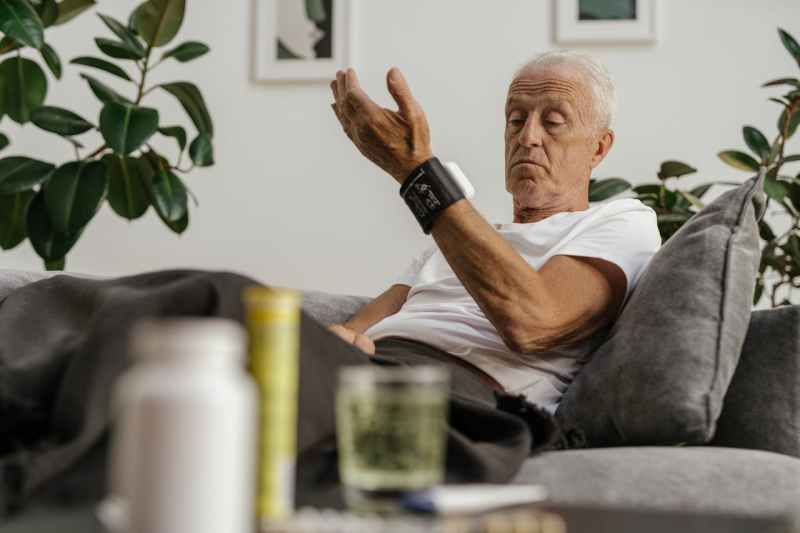
For six months at a time, 46 patients in the Remote Pilot Program received continuous blood pressure monitoring and engagement from health care providers via a remote system.
The Results: When first examined, just 39% of patients in the program had their blood pressure under control. By the end of the pilot, that number had doubled.
Furthermore, patients who had uncontrolled high blood pressure at the start of the program were able to bring their readings into the normal range by the end of the program.
The findings showed collaborators that remote health care programs may significantly improve long-term outcomes for rural Michiganders, especially when preventing heart disease. They could also go a long way toward reducing physician and patient burnout.
“We are thrilled with the outcomes of this pilot [program] and the positive impact it has had on patients and health care providers alike,” said Dr. Michael Beaulieu, Chief Medical Officer for Helen Newberry Joy Hospital, in a recent press release.
“Remote patient monitoring has the ability to reshape rural health care, providing continuous care outside of the traditional office setting while reducing the workload for clinicians.”
The Remote Pilot Program is a collaboration between Modivcare Inc., a technology-enabled health care services company, and the Michigan Center for Rural Health. It was funded by the Michigan Health Endowment Fund.
What’s Next: Two of the three Michigan communities have continued to provide the remote health care program for residents. A comprehensive guide was also developed to support other rural health care organizations interested in implementing similar programs to serve their communities.
“This pilot project has proven that striking the balance between relationship-driven care and technology-forward solutions can be transformative in rural health care,” said L. Heath Sampson, President and Chief Executive Officer at Modivcare Inc.
“We are improving outcomes and allowing health care teams to work more efficiently, ultimately improving the health and well-being of Michigan’s rural residents.”
READ MORE: Rural remedies—how the next generation of health care workers is taking care of rural Michiganders